
The Evolution of Entertainment: What is IPTV and Why It’s Changing How We Watch TV
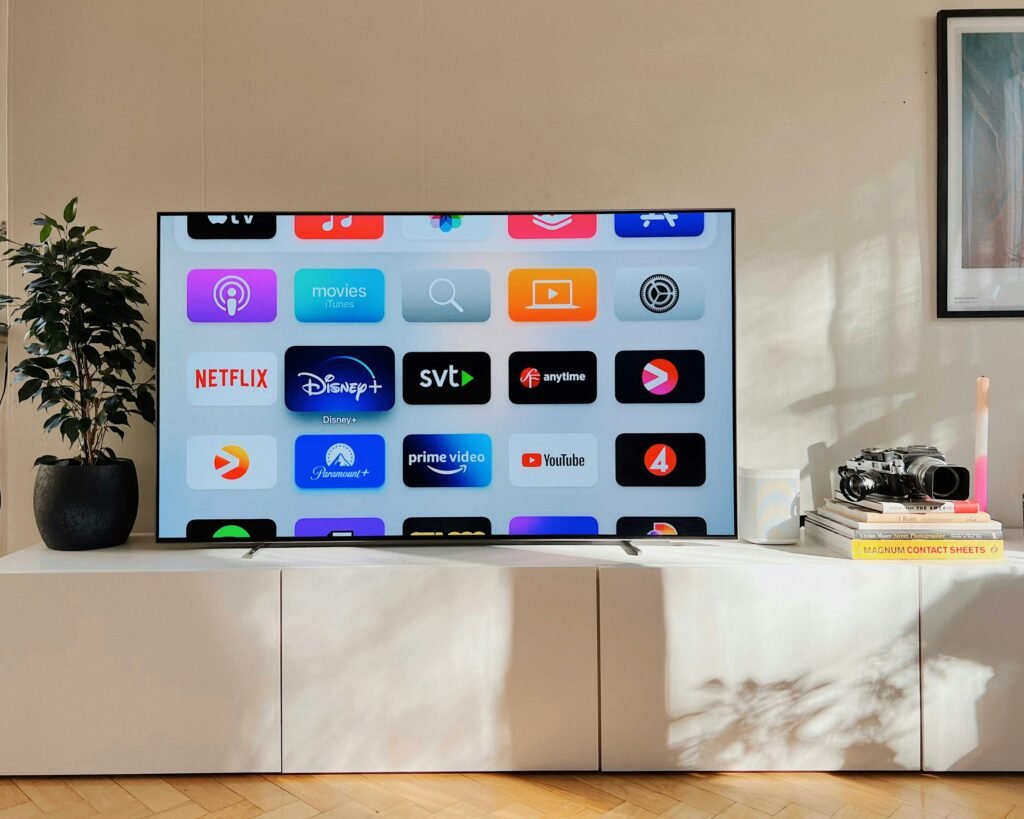
The way we consume television has undergone a profound transformation. Gone are the days of being constrained by rigid broadcast schedules dictated by cable or satellite providers. Today, we live in an on-demand world where content is available at our fingertips, ready to be streamed on any device. At the forefront of this revolution is IPTV, or Internet Protocol Television, a technology that leverages the power of the internet to deliver a more flexible, personalized, and feature-rich viewing experience.
We’re witnessing a significant shift from traditional broadcasting methods to internet-based streaming. This guide will explore the world of IPTV, from its basic definition and underlying technology to its various types, benefits, and legal considerations. We will also delve into the future of this transformative technology and how it is shaping the entertainment landscape, helping you understand what is IPTV and why it’s becoming an increasingly popular choice for home entertainment.
Understanding the Mechanics: How IPTV Works
At its core, IPTV is a method of delivering television content over an Internet Protocol (IP) network, rather than through traditional terrestrial, satellite, or cable transmission formats. This means that instead of transmitting signals via radio waves, coaxial cables, or satellite dishes, IPTV sends and receives data through the same internet infrastructure that delivers our emails and websites.
However, the technology behind it is more sophisticated than simply streaming a video from a public website. True IPTV services often operate on a managed or dedicated network. Your Internet Service Provider (ISP) allocates a specific portion of its bandwidth exclusively for the IPTV service. This creates a private, high-speed lane for video traffic, ensuring a consistent and high-quality viewing experience free from the buffering and congestion that can affect video streams on the public internet. This is a key differentiator from Over-the-Top (OTT) services like YouTube, Netflix, or Hulu, which deliver video over the unmanaged public internet.
Here’s a breakdown of the core components and how the process generally works:
● Content Sources: IPTV providers gather content from various sources, including live TV channels and on-demand videos.
● Encoding Systems: This content is then converted into compressed data by encoding systems.
● Streaming Servers: These compressed video and audio signals are sent through a dedicated group of servers that efficiently distribute the data to users, ensuring stable transfers.
● Delivery Network: The streaming server delivers the data to users over the internet. IPTV relies on a multicast technique to stream content, which is a highly efficient method that simultaneously delivers video to multiple recipients. For on-demand content, unicast streaming is used, sending a unique stream to each viewer.
● User Device: To enjoy IPTV, end-users need a reliable internet connection and a compatible device, such as a smart TV, laptop, smartphone, tablet, or a dedicated IPTV box.
IPTV supports both live TV, which allows us to watch events as they happen, and stored video-on-demand (VOD) services, which let us watch or replay content at our convenience. It also includes time-shifted media, enabling users to pause, rewind, or record live broadcasts.
The Advantages of IPTV: Why Users Are Making the Switch
The shift towards IPTV isn’t just a trend; it’s driven by a compelling set of advantages that cater to modern viewers’ preferences and needs. As we look at what is IPTV offering, we can see why many are choosing to make the switch from traditional television.
Here are some of the key benefits:
● Flexibility and On-Demand Access: One of the most significant advantages of IPTV is its ability to provide content on your terms. We can watch what we want, when we want, without being tied to a broadcast schedule. This includes a vast library of Video on Demand (VOD) content, movies, and TV shows.
● Interactive Features: IPTV platforms often come with interactive features that enhance the viewing experience. These include on-screen menus, Electronic Program Guides (EPGs), pause, rewind, and fast-forward functionality, which are typically unavailable in traditional cable television. We can even record live shows or events on multiple channels simultaneously.
● Multi-Device Compatibility: IPTV allows us to stream content on various devices, including smart TVs, smartphones, tablets, and computers. This flexibility ensures we can enjoy our favorite programs regardless of our location, as long as we have an internet connection.
● Improved Picture Quality: IPTV technology enables the transmission of streams with higher resolutions, often offering high-definition (HD) and even 4K content with minimal buffering when using a stable internet connection. This provides a much clearer, sharper image with less noise and distortion.
● Wider Content Selection: Compared to traditional cable television, IPTV often provides access to a broader and more diverse range of channels, including international channels and specialized content tailored to specific interests. This removes many geo-restrictions, offering an unlimited content supply.
● Potential for Cost Savings: IPTV is often more affordable than traditional cable or satellite TV, with flexible subscription plans, making it a cost-effective alternative.
● Personalization: IPTV systems can offer personalized content recommendations and features, enhancing user engagement and satisfaction by tailoring the viewing experience to individual preferences.
Navigating IPTV Players and Apps: Smart IPTV, IPTV Smarters Player, and IPTV Extreme
To enjoy IPTV services, we typically need an IPTV player app to organize and display the content from our chosen provider. These apps act as an interface, allowing us to load playlists and stream channels. Let’s explore some of the most popular options: Smart IPTV, IPTV Smarters Player, and IPTV Extreme.
Smart IPTV (SIPTV)
Smart IPTV, often abbreviated as SIPTV, is a lightweight IPTV player that allows users to load external IPTV playlists, usually in M3U or Xtream Codes format, and stream live television, video on demand, or time-shifted content directly on their smart devices.
Key Features:
● Multi-platform support: Works seamlessly on Smart TVs (like Samsung and LG), Android devices, Firestick, and MAG boxes.
● Playlist Management: Users can easily upload their playlists via a MAC address on the official siptv.app portal.
● EPG Integration: Provides smooth Electronic Program Guide (EPG) integration for live channel schedules.
● VOD & Catch-Up TV: Supports playback of previously aired content or on-demand shows via provider options.
● Customization: Allows for custom channel logos and categories, enabling a personalized viewing layout.
● Multi-language support and subtitle options: Particularly valuable for international users.
It’s important to remember that Smart IPTV itself doesn’t host any channels; it acts purely as a platform to display what your IPTV provider delivers, making it legal to use in most countries.
IPTV Smarters Player (or IPTV Smarters Pro)
IPTV Smarters Pro is a powerful and versatile online video player designed for smooth, high-quality streaming across multiple platforms. It’s known for its intuitive and user-friendly interface.
Key Features:
● Flexible Playlist Support: Supports various IPTV formats like M3U, JSON, and Xtream Codes API, allowing users to import playlists from different IPTV service providers.
● High-Quality Playback: Designed to deliver a premium viewing experience with advanced video codecs and high-quality playback, minimizing buffering.
● Cross-Platform Support: Works flawlessly on Android (phones, tablets, TV boxes, Fire TV Sticks, Nvidia Shield TV), iOS (iPhone, iPad, Apple TV), Windows, and macOS.
● EPG Support: Includes Electronic Program Guide (EPG) support, providing a schedule of upcoming TV programs.
● Multi-Screen Viewing: Allows users to stream different channels on multiple devices simultaneously.
● VOD & Catch-Up TV: Users can access Video on Demand content and catch-up TV functionality.
● Parental Controls: Built-in parental controls enable parents to restrict access to certain channels and content.
● External Player Integration: Offers the ability to use external video players like MX Player for streaming.
● Personalized Experience: Allows for adjusting playback settings and customizing layouts.
Like Smart IPTV, IPTV Smarters Pro does not supply or include any media or content; users must provide their own.
IPTV Extreme
IPTV Extreme is another advanced media player specifically designed for IPTV users, transforming mobile devices into multimedia centers. It’s tailored for live TV, movies, and on-demand content through IPTV subscriptions.
Key Features:
● M3U Playlist and Multi-EPG Support: Supports M3U playlists and multi-EPG for easier channel management and information access.
● Built-in Player: Features a built-in player with advanced and light modes.
● Chromecast Support: Offers Chromecast support, though it may still be in beta.
● Recording and Time Recording: Allows users to record live streams with specified time limits and download on-demand programs.
● Parental Control: Includes parental control tools for restricting access to content.
● Customization: Offers many themes for customization.
● Backup and Restore: Provides backup and restore settings.
● Device Compatibility: Available on Android-based devices (phones, tablets, TVs) and can be used on Firestick and PCs (through emulators).
IPTV Extreme is legal as an app, but its legality in use depends entirely on the content source and whether the user has proper licenses for the playlists they use.
IPTV Boxes: Dedicated Hardware for Optimized Streaming
While IPTV services can be accessed on a wide range of devices, from smart TVs to smartphones, dedicated IPTV boxes offer a streamlined and often optimized streaming experience. These devices are specifically designed to receive and decode IPTV streams, connecting your television to the internet for a more traditional TV-like interface.
An IPTV box, also known as a set-top box (STB), acts as a bridge between the internet and your TV. It receives the digital video signals transmitted over the IP network, decodes them, and displays them on your screen. This dedicated hardware can often provide:
● Optimized Performance: IPTV boxes are built with hardware and software specifically designed for video streaming, which can result in smoother playback, less buffering, and higher picture quality, especially for HD and 4K content.
● User-Friendly Interface: Many IPTV boxes come with intuitive remote controls and user interfaces that mimic traditional TV navigation, making them easy for general audiences to use.
● Enhanced Features: Some boxes offer additional features like advanced recording capabilities, better integration with electronic program guides (EPGs), and sometimes even built-in storage for downloaded content.
● Reliability: A dedicated device can offer a more stable connection and performance compared to using general-purpose devices that might be running other applications in the background.
Popular examples of devices that can function as IPTV boxes or are commonly used for IPTV streaming include:
● Amazon Firestick 4K / 4K Max
● Android TV Boxes
● Nvidia Shield
● Apple TV 4K
● MAG boxes
While not strictly necessary, an IPTV box can significantly enhance the viewing experience for those who prioritize performance and a dedicated entertainment setup.
Finding the Best IPTV Services in 2026: A Buyer’s Guide
As we move further into 2026, the landscape of IPTV services continues to evolve, offering a diverse range of options for consumers looking to cut the cord or enhance their entertainment experience. Finding the best IPTV services 2026 means evaluating providers based on several critical factors to ensure a reliable, high-quality, and legal streaming experience.
Here’s a buyer’s guide to help you navigate the choices:
Key Factors to Consider
When choosing an IPTV service, we recommend focusing on these essential criteria:
● Streaming Quality & Resolution: Look for providers that offer HD, Full HD, and 4K resolution streams with minimal buffering. High-quality streaming ensures every movie, sports event, or show plays seamlessly. Many modern IPTV platforms now support 4K and even 8K streaming.
● Server Uptime & Stability: A service with frequent downtime or buffering can ruin your viewing experience. Prioritize providers known for consistent streaming quality and high-speed servers capable of handling multiple viewers simultaneously. “Anti-freeze streaming technology” is a feature to look for.
● Channel Count & VOD Library: Assess the breadth and depth of the content offered. A good provider will offer a wide selection of live channels (including international and niche channels) and an extensive Video on Demand (VOD) library of movies and TV shows. Look for services with daily content updates.
● Device Compatibility: Ensure the IPTV service works across all your preferred devices, such as Firestick, Android TV, Smart TVs (Samsung, LG), iOS, macOS, and Windows. Multi-device connections are a plus for households.
● Price vs. Value: Compare subscription plans and pricing structures. While some illegal services may offer suspiciously low prices, legitimate providers offer competitive rates for premium content and reliable service. Look for flexible subscription plans.
● Customer Support: Responsive customer support is crucial for quick problem-solving and assistance with setup.
● Ease of Setup: The service should provide clear instructions for setting up on your chosen device and integrating with IPTV player apps like IPTV Smarters Pro or TiviMate.
● EPG and Catch-up TV: A full Electronic Program Guide (EPG) and catch-up TV functionality are modern necessities, allowing you to easily browse schedules and watch missed programs.
Top IPTV Services to Consider in 2026
Based on current reviews and market analysis, several IPTV services are consistently highlighted for their performance and offerings. While specific “best” lists can vary, these providers often stand out:
● Xtreme HD IPTV: Frequently ranked highly for exceptional performance, massive channel lineup (20,000+ live channels), and reliable uptime, including 60,000+ VOD titles and 4K quality.
● Atlas PRO ONTV: Popular among European and international users, known for stability and reliability.
● Apollo Group TV: Noted for its massive VOD library and premium entertainment content.
● IPTV Trends: Offers affordable subscriptions with solid streaming quality.
● Falcon IPTV: Stands out for sports lovers with excellent coverage of live events.
● Nomad IPTV: Positions itself as a high-volume provider with broad device compatibility and a large content library, claiming thousands of live channels and over 120,000 on-demand titles.
● IPTV Harmony: Balances an accessible price point with a library of 35,000+ live channels and 170,000+ VOD titles, offering 4K streaming and anti-freeze technology.
● EagleCast TV: Praised for multi-view and catch-up features, a plethora of live TV channels, and a stacked VOD library.
● IPTV US: Trusted for North American and UK channels, with 55,000+ live channels and 90,000+ VOD, advanced anti-freeze servers.
● StelloTV: Known for stable streaming, fast activation, and responsive customer support, offering 80,000+ live channels and a large VOD library.
When exploring these options, always verify their regional legality and service reliability before committing to a subscription.
IPTV Legality: Separating Fact from Fiction
A crucial aspect of understanding what is IPTV is addressing its legality. The technology itself, Internet Protocol Television, is completely legal. It’s simply a method of delivering television content over the internet. However, the legality of a specific IPTV service depends entirely on whether it has the proper licenses and distribution rights to offer the content it provides.
Legal IPTV Services
Legal IPTV services are those that operate with legitimate licenses and partnerships with major media companies to showcase TV content over the internet. These services typically require a paid subscription and are subject to the same regulations as traditional cable and satellite TV providers.
Examples of reputable and legal IPTV services in the USA include:
● Sling TV
● YouTube TV
● Hulu + Live TV
● Fubo TV
● Philo
● Pluto TV
Key indicators of a legitimate IPTV provider include:
● They openly partner and maintain transparency with both authorities and customers.
● They have a dedicated streaming app.
● They typically use minimal ads and opt for a subscription-based monetization model.
● They may also sell other services, such as internet or telecommunications.
Illegal IPTV Services and Their Risks
The problem arises with “pirate” IPTV services that provide unauthorized access to copyrighted content. These illegal services operate without any licenses, capturing broadcast signals from legitimate sources and illegally rebroadcasting them over the internet at very low prices. They often lure customers with promises of thousands of channels from around the world, including premium sports and movie packages, for a fraction of the cost of a legal subscription.
While the offer may seem tempting, using these services comes with significant risks:
● Copyright Infringement and Legal Consequences: Accessing content from unauthorized channels constitutes copyright infringement. While the legal consequences are typically more severe for service providers, users can also face penalties. In late 2020, the United States Congress approved a Felony Streaming Bill that classifies running/operating illegal streaming services as a felony, though it primarily targets operators rather than individual users.
● Privacy and Data Security Risks: Illegal IPTV services often do not prioritize user privacy or security. Providing personal and financial information to these services can expose users to risks of data breaches, identity theft, or financial trouble.
● Unreliable Service and Poor Quality: Illegal providers often have poor streaming quality, frequent buffering, and unreliable service. Channels can disappear randomly, and support is often non-existent.
● Malware and Viruses: These services may expose your devices to malware or viruses, as they operate outside of regulated environments.
In conclusion, while IPTV technology is legal, it is crucial to exercise caution and choose a legitimate provider to avoid legal consequences and protect your personal information.
The Future of IPTV: Trends and Innovations
The IPTV industry is on the brink of a transformative era, driven by technological developments and evolving viewer demands. As we look ahead, several key trends and innovations are poised to reshape the future of home entertainment.
● Integration with Artificial Intelligence (AI) and Machine Learning (ML): AI and ML are becoming integral to IPTV. These technologies enhance personalized content recommendations based on user preferences and viewing habits, leading to improved user engagement and efficient network management. AI can also be used to predict and prevent streaming issues.
● Widespread Adoption of 4K and HDR Content: Image quality is increasingly important to users, and by 2025, 4K is expected to be the standard for IPTV content. HDR (High Dynamic Range) technology, which provides improved color reproduction and high contrast, will also become more popular. The global deployment of 5G networks is a pivotal enabler for streaming 4K and even 8K content with unparalleled fluidity.
● Hybrid IPTV/OTT Models: The evolution of hybrid IPTV/OTT models will continue, combining the managed network benefits of IPTV with the flexibility and broad content offerings of OTT services. This convergence offers users the best of both worlds.
● Widespread Adoption of Cloud Technologies: Cloud computing is playing an increasingly important role, enabling IPTV service providers to deliver scalable, flexible, and cost-effective streaming solutions. Cloud-based platforms can reduce hardware costs and provide flexibility in content management.
● Growing Popularity of Multi-screen and Cross-platform Solutions: Consumers expect to access their content on any device, anywhere. The future of IPTV will see even greater emphasis on seamless multi-screen and cross-platform experiences.
● Interactive TV Development and Integration with Voice Assistants: IPTV platforms will continue to develop more interactive features, potentially integrating with voice assistants for enhanced control and navigation.
● Enhanced Data Security and Content Protection: With the rise of digital content, robust security measures, including encryption, digital rights management (DRM), and authentication mechanisms, will be crucial to safeguard IPTV services from unauthorized access and piracy.
● Integration with 5G Networks: The integration of 5G technology is set to revolutionize IPTV by providing higher bandwidth, lower latency, and greater network efficiency, addressing long-standing issues of latency and bandwidth limitations.
● Immersive Experiences through AR and VR: Augmented Reality (AR) and Virtual Reality (VR) are reshaping the boundaries of what IPTV can offer, from immersive 360-degree live sports events to virtual concerts. While still in early stages, these technologies hold the potential to transform IPTV into a medium that offers not just content consumption but immersive, shared experiences.
The future of IPTV is not just about delivering content; it’s about delivering experiences that resonate, engage, and endure.
Frequently Asked Questions About IPTV
We understand that IPTV can still be a new concept for many. Here are answers to some of the most common questions we encounter:
- What is the difference between IPTV and OTT? The main difference lies in the delivery network. IPTV typically uses a private, managed network provided by an ISP, which dedicates bandwidth to ensure high quality and reliability. OTT (Over-the-Top) services like Netflix and YouTube use the public internet, where the video stream competes with all other data traffic, which can sometimes lead to buffering or lower quality during peak times.
- Do I need a special TV to use IPTV? No, you do not need a special television. IPTV can work on most modern Smart TVs (Samsung, LG, Android TVs), smartphones, tablets, computers, and dedicated IPTV boxes like Amazon Firestick.
- What internet speed is required for IPTV? For standard definition (SD) streaming, a minimum of 4 Mbps is recommended. For HD quality channels, 10 Mbps or above is ideal. For 4K Ultra HD content, 25 Mbps or faster ensures the best experience. We recommend a wired (ethernet) connection over Wi-Fi for the most stable stream.
- Can I watch local channels on IPTV? Yes, many legitimate IPTV services offer local channels as part of their packages.
- Is IPTV safe to use? The IPTV technology itself is safe. However, the safety of using an IPTV service depends on whether it’s a legal, licensed provider or an illegal one. Legal providers prioritize security and privacy, while illegal ones can expose you to privacy risks, malware, and legal consequences.
- Does IPTV need special software or apps? Yes, most IPTV subscriptions use an M3U playlist or Xtream Codes API. You’ll need an IPTV player app such as IPTV Smarters Pro, TiviMate, MyIPTV Player, or GSE Smart IPTV to access the content. After subscribing, you simply enter your credentials into the app.
- Can I use IPTV in an apartment or where satellite is restricted? Absolutely. IPTV is ideal for apartments because it requires no physical installation like satellite dishes or cable wiring. As long as you have an internet connection, you can enjoy thousands of channels.
- What are common IPTV issues and solutions? Common issues include buffering, freezing channels, or login problems. Restarting devices, clearing app caches, or reconnecting to the internet typically solves these small issues quickly.
Conclusion: IPTV as the Future of Home Entertainment
Internet Protocol Television (IPTV) has fundamentally reshaped the landscape of home entertainment, offering a dynamic and personalized viewing experience that traditional broadcast methods struggle to match. We’ve explored what is IPTV, delving into its sophisticated mechanics, the compelling advantages it offers over conventional television, and the essential tools like IPTV smart player applications that bring this technology to life.
From the flexibility of on-demand content and interactive features to multi-device compatibility and potentially cost-effective packages, IPTV services provide a powerful alternative for modern consumers. Understanding the distinction between legal, licensed IPTV providers and illegal, unauthorized services is paramount to ensuring a safe and reliable streaming journey.
As we look towards 2026 and beyond, the future of IPTV is brimming with innovation. The integration of artificial intelligence for personalized recommendations, the widespread adoption of 4K and HDR content, the evolution of hybrid IPTV/OTT models, and the transformative potential of 5G and immersive AR/VR experiences all point to a continuously evolving and enriched entertainment ecosystem.
For both consumers and businesses, embracing IPTV is not just about adopting a new technology; it’s about preparing for the streaming revolution and taking control of our entertainment experiences. With the right knowledge and choices, IPTV is poised to solidify its position as the dominant force in media consumption, truly representing the future of home entertainment.