
The Revolution of Viewing: What is IPTV and Why It’s Shaping Television in 2026 best IPTV services 2026
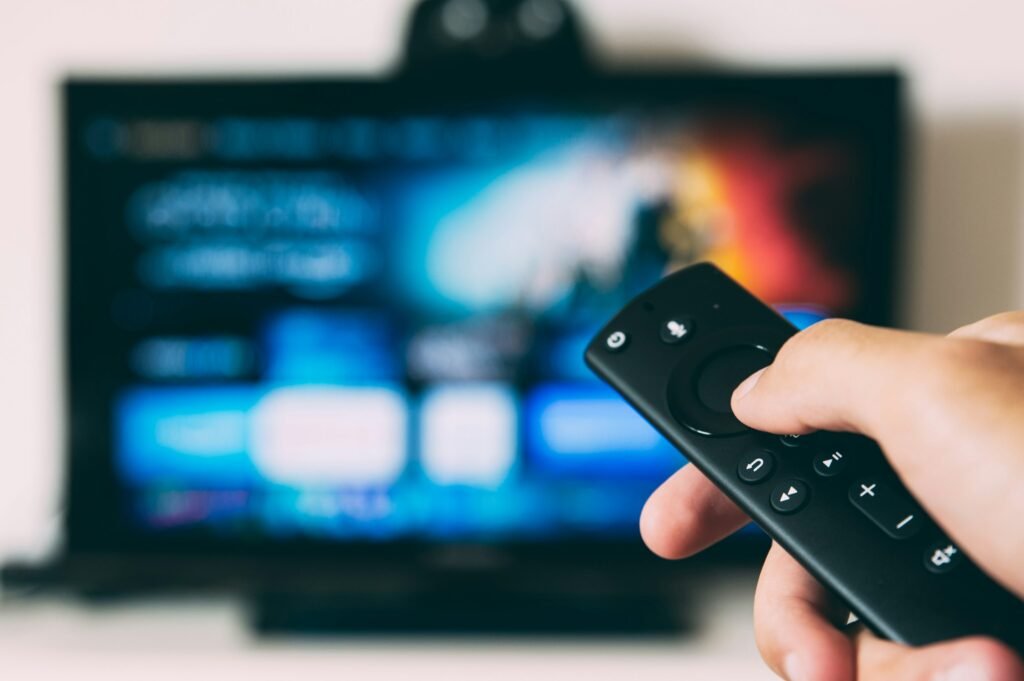
Best IPTV services 2026 are changing how people watch TV online. IPTV allows users to stream live channels, movies, and sports in HD and 4K quality anytime.
Introduction to IPTV: The Next Evolution of Television
IPTV represents a significant shift in how television content is delivered to our homes and devices. Unlike traditional methods that rely on terrestrial, satellite, or cable broadcasts, IPTV leverages the internet’s robust infrastructure to deliver television programming. This innovative approach allows for a more interactive, on-demand, and customizable viewing experience, making it an increasingly popular alternative for millions worldwide. We’re witnessing a global market for IPTV valued at $109 billion in 2026, a substantial increase from just $93 billion a year prior, underscoring its rapid growth and adoption.
Understanding IPTV: Core Concepts and How It Works
At its heart,best IPTV services 2026 is about delivering television content over an Internet Protocol (IP) network. This means that instead of signals being transmitted via radio waves or coaxial cables, video and audio data are sent as packets over the internet, much like how your emails and websites are delivered.
Delivering Content via Internet Protocol
The process of how IPTV works involves several key components working in concert. First, content sources, such as live TV channels and on-demand videos, are encoded into a compressed digital format. These compressed video and audio signals are then sent through a dedicated network of servers that efficiently distribute the data. Finally, a streaming server delivers this data to users over the internet. When you select a program, the video is divided into data packets and sent across the internet to your device. IPTV systems often employ a multicast technique for live TV, which is an efficient method that delivers a single stream of video to multiple recipients simultaneously, optimizing bandwidth and ensuring smooth streaming. For on-demand content, a unicast method is typically used, where a unique stream is sent to each individual user upon request. This intricate system relies on existing technologies like broadband, fiber optics, or DSL to enhance network efficiency and ensure high-quality streaming.
IPTV vs. Traditional TV and OTT Streaming
While IPTV delivers content over the internet, it’s distinct from both traditional television and Over-The-Top (OTT) streaming services like Netflix or Hulu. The primary differences lie in their delivery methods, network management, and the level of control over the content stream. Here’s a comparison to clarify these distinctions:
Feature IPTV (Internet Protocol Television) Traditional TV (Cable/Satellite) OTT Streaming (Over-The-Top) Delivery Method Internet Protocol (IP) network Coaxial cable (Cable TV) or radio waves (Satellite TV) Public internet Network Type Often a managed, private network (by ISP/telecom provider) Dedicated physical infrastructure (cable lines, satellite dishes) Open, unmanaged public internet Content Access Live TV, Video on Demand (VOD), time-shifted TV Scheduled live broadcasts, DVR for recording Primarily VOD, growing live streaming Quality Control High reliability and quality due to managed network, less buffering Generally stable, but can be affected by weather (satellite) Varies based on internet speed and congestion, adaptive streaming Device Needs Internet connection, often a set-top box or compatible app TV, set-top box (cable/satellite), antenna (terrestrial) Internet-connected devices (Smart TVs, phones, tablets, PCs) Interactivity Highly interactive (pause, rewind live TV, VOD libraries) Limited interactivity (channel surfing, DVR) High interactivity (on-demand, personalized recommendations) Bandwidth Use Multicast for live TV is efficient; unicast for VOD N/A (broadcast model) Unicast, less efficient for large-scale live events
IPTV provides a more controlled and secure environment for content distribution, making it ideal for businesses prioritizing stability, while OTT offers greater freedom and personalization.
The IPTV Ecosystem: Services, Players, and Hardware
The world of IPTV in 2026 is a thriving ecosystem, encompassing a wide array of service providers, dedicated player applications, and compatible hardware, all working together to deliver a rich viewing experience.
Exploring IPTV Service Providers and Content Offerings
When considering IPTV services, it’s vital to distinguish between legal, licensed providers and unverified options. Legal IPTV services openly partner with major media companies and adhere to broadcasting regulations, offering a secure and reliable viewing experience. In the USA, some of the most prominent and legal IPTV services for 2026 include:
-
- Fubo TV: Known for its massive channel lineup, particularly strong in sports coverage, and offering unlimited DVR storage.
-
- YouTube TV: Our top-rated legal IPTV service for 2026, featuring major broadcast and cable networks, unlimited cloud DVR, and a polished interface across devices.
-
- Sling TV: Offers customizable plans and add-on packages, including a free ad-supported tier with over 500 channels.
-
- Hulu + Live TV: Provides a wide range of live channels and a substantial library of on-demand content.
-
- Philo: A budget-friendly option with over 70 channels, though it typically doesn’t include local networks.
These legal providers prioritize viewer experience with dedicated apps, transparent pricing, and limited advertising. They offer a diverse range of content, including live television, movies, series, and extensive video-on-demand (VOD) libraries, often in HD and 4K quality. Beyond these well-known names, the market for the best IPTV services 2026 also includes providers like Nigma TV, cited for its overall stability and global channel range with over 51,000 live channels and 160,000+ VOD titles. Other highly-rated services include BEST IPTV for premium streaming and worldwide channels, IPTV SMARTERS 4K for stability, and MolyIPTV for advanced anti-freeze buffers and VPN integration. Some services, like Kemo IPTV, are noted for their extensive international content and affordability, while 4K Live IPTV specializes in high-performance 4K streaming, especially for sports, catering to users with high-speed internet.
Popular IPTV Players: Smarters, Smart IPTV, and Alternatives
To access IPTV services, users typically rely on dedicated applications known as IPTV smart player apps. These players are essential for parsing M3U playlists, Xtream Codes, or Stalker Portal URLs provided by service providers, allowing users to stream content efficiently. Among the most popular IPTV smart player options in 2026 are:
-
- IPTV Smarters Pro: Widely regarded as a top IPTV smart player, it offers a polished interface, robust performance, full EPG (Electronic Program Guide) support, and exceptional compatibility across Android, Fire TV, iOS, Apple TV, Samsung Smart TV, and LG Smart TV devices. It supports both M3U and Xtream Codes connections and features multi-screen layouts, favorites management, and parental controls.
-
- TiviMate IPTV Player: This player excels on Android TV and Fire TV Stick devices, providing a polished interface, reliable M3U and Xtream Codes support, and a responsive EPG. It’s often cited as the best for Android-focused setups.
-
- Smart IPTV: While popular, it’s worth noting that “Smart IPTV” often refers to the app itself rather than a service. It allows users to manage media, videos, streams, and IP TV in a smart way.
-
- IPTV Extreme Pro: A popular choice for streaming live TV, this player offers a user-friendly interface and works well with M3U URLs. It includes features like external player settings, recording, Chromecast support, and parental controls.
Other notable players include:
-
- IPTV One: Touted as the best overall IPTV smart player for 2026, it runs natively on all 8 major platforms (Android, Fire TV, iPhone, iPad, Apple TV, Mac, Windows, and Linux) with cross-platform cloud sync for favorites and watch history.
-
- Kodi: A free, open-source media player that can be enhanced with IPTV client add-ons for M3U playlist support.
-
- Hypnotix: An open-source M3U IPTV player that supports live TV, movies, and series, and can handle multiple IPTV providers. It’s pre-configured with a legal, free TV provider.
-
- IPTVnator: A cross-platform open-source IPTV player application that supports M3U and M3U8 playlists, favorites, TV guide, and TV archive/catchup, available on GitHub. This is an example of an IPTV GitHub link where developers contribute to enhancing the IPTV ecosystem.
-
- StreamVault: A TV-first free IPTV player for Android TV, built with Kotlin, Jetpack Compose, Room, Hilt, and Media3, designed for large playlists and remote-friendly browsing. It also supports both M3U playlists and Xtream Codes.
These players often provide features like EPG integration, channel management, and user interface customization, making the IPTV experience more enjoyable.
IPTV Boxes and Compatible Streaming Devices in 2026
To fully enjoy IPTV services, having the right hardware is essential. An IPTV box or compatible streaming device decodes the data received from the internet and displays it on your TV screen, facilitating high-quality streaming of movies, TV shows, live sports, and local channels. In 2026, these devices are becoming increasingly sophisticated, offering features like 4K HDR, Dolby Vision, and AI upscaling. Top recommendations for IPTV box and streaming devices in 2026 include:
-
- NVIDIA Shield TV Pro: Still considered the “king of streaming” in 2026, it offers unmatched speed, AI upscaling to near-4K or 8K quality, and ultimate performance, supporting 4K HDR, Dolby Vision, and Dolby Atmos.
-
- Formuler Z Series (e.g., Z11 Pro Max, Z12 Ultra): These devices are specifically built for the IPTV user experience, featuring the exclusive MYTVOnline platform (currently MYTVOnline 4), which is widely praised for intuitive IPTV management, seamless channel switching, and easy recording. They also boast WiFi 7 integration for stable 4K streams.
-
- Amazon Fire TV Stick 4K Max: A popular and affordable choice globally, offering 4K streaming and compatibility with most IPTV apps. The Fire TV Cube is also a high-end option for Amazon ecosystem users.
-
- Google TV Streamer (e.g., Chromecast with Google TV 4K, Google TV Streamer): These devices provide a modern interface with excellent voice search capabilities, 4K resolution support, and smooth performance. The Onn 4K Pro is a budget-friendly option with pure Google TV.
-
- Xiaomi TV Box S (3rd Gen): Offers premium features in a compact, affordable form factor, including Google TV integration, AV1, and HDR10+ support.
-
- BuzzTV X Series (e.g., BuzzTV X5, PowerStation 6): Known for powerful hardware, smooth interfaces, and great recording features, ideal for heavy users and multitasking.
-
- Apple TV 4K (2026): A premium option for Apple users, known for its super-fast performance and high-end streaming capabilities.
When choosing an IPTV box in 2026, look for features like WiFi 7 or 2.5G Ethernet for high-speed data transfer, AV1 decoding for better image quality at lower bandwidths, and ample storage and RAM (minimum 4GB RAM and 32GB internal storage) for smooth operation of modern IPTV applications.
Key Considerations for IPTV in 2026: Legality and Best Practices
While IPTV technology offers immense potential, it’s crucial to navigate the landscape responsibly, especially concerning legality and best practices.
Identifying Legal IPTV Services and Avoiding Pitfalls
The fundamental technology of IPTV is entirely legal. However, the legality of an IPTV service hinges entirely on whether the provider holds the proper licenses and distribution rights for the content it offers. Many services operate legitimately, partnering with media companies to provide content over the internet. Here are key indicators to help identify legal IPTV services and avoid potential pitfalls:
-
- Transparent Pricing and Standard Payment Methods: Legal providers will have clear subscription plans and accept common payment methods. Be wary of services offering thousands of channels for exceptionally low prices (e.g., $5-$20/month), as these often redistribute content without proper licensing.
-
- Reputable App Store Availability: If an IPTV provider’s app is available through official app stores like Amazon, Apple, or Google Play, it’s a strong indication that the service carries the proper licensing for its content.
-
- Verifiable Operating History and Customer Support: Legitimate services typically have a clear operating history, active customer support, and readily available information about their partnerships and compliance.
-
- No Recommendation for VPN to Access Content: Legal IPTV services do not require a VPN to bypass geographic restrictions. In fact, using a VPN might violate their terms of service. Illegal services, however, often recommend VPNs to mask user activity.
-
- Clear Trial Options: Many legal providers offer free trial periods, allowing you to evaluate their features and stability before committing to a subscription.
Conversely, illegal IPTV services often exhibit warning signs such as extremely low prices, hidden payment modes, offshore hosting, and a lack of transparent partner information. Using these unverified services can lead to significant consequences, including copyright infringement and legal repercussions, as well as privacy and data security risks due to their disregard for user privacy. While the Protecting Lawful Streaming Act primarily targets operators of illegal streaming services, customers have also faced legal issues in the past.
Frequently Asked Questions (FAQ)
Is IPTV legal and what internet speed is recommended?
Yes, IPTV technology itself is legal. Many legitimate online platforms have proper licenses and partnerships to broadcast TV content over the internet. The legality issue arises when providers distribute copyrighted content without authorization. Always ensure you subscribe to a legal IPTV service that has secured the necessary content licensing rights. Regarding internet speed, a stable connection with low latency is crucial for a smooth IPTV experience. Here are the recommended internet speeds:
-
- Standard Definition (SD): 3-5 Mbps per device.
-
- High Definition (HD) (720p/1080p): 10-20 Mbps per device. For continuous streaming at Full HD (1080p), 8-12 Mbps is often the sweet spot.
-
- 4K Ultra High Definition (UHD): 25-35 Mbps per device. Some sources suggest 30-60 Mbps for optimal 4K content.
For households with multiple devices streaming simultaneously, these speeds should be multiplied accordingly. For instance, two HD devices would need at least 20 Mbps, while 3-4 4K devices could require 80-100 Mbps. It’s always advisable to have some headroom beyond the minimum recommendations.
Conclusion: Embracing the Future of Digital Television
IPTV has firmly established itself as the next evolution of television, offering a flexible, interactive, and personalized viewing experience that traditional broadcast methods simply cannot match. In 2026, as cord-cutting continues its global trend, the demand for reliable IPTV services and compatible devices will only grow. From understanding what IPTV is and how it works, to exploring the diverse range of IPTV services, powerful IPTV smart player applications like IPTV Smarters Player and IPTV Extreme, and cutting-edge IPTV box hardware, we are equipped to make informed choices. By prioritizing legal providers and ensuring adequate internet speed, we can fully embrace the future of digital television, enjoying a vast world of entertainment at our fingertips. The journey into the rich and dynamic world of IPTV is not just a trend; it’s the definitive future of how we watch TV.
What is IPTV?
IPTV is a way to stream TV using the internet instead of cable or satellite.
Is IPTV legal?
IPTV is legal if the provider has proper licenses.
What internet speed do I need for IPTV?
At least 10 Mbps for HD and 25 Mbps for 4K.